A 12-month marketing plan gives businesses a clear roadmap to grow consistently, reach the right audience, and achieve measurable results. By mapping strategies month by month, companies can optimize their online presence, attract more customers, and build a strong, recognizable brand.
At Bosthelp, we deliver comprehensive support through website design and development, search engine optimization (SEO), and content marketing solutions. Our services ensure every month of your marketing plan is backed by a strong digital foundation, strategic content, and enhanced online visibility for sustained growth.
Why a 12-Month Marketing Plan Matters
Think of your marketing like a garden. If you water it occasionally and randomly, some plants might grow, but many won’t thrive. With a structured plan, you can nurture each part of your business, season by season, and watch it flourish. A full-year plan ensures you stay organized, maintain brand visibility, and reach your audience consistently.
Benefits of Long-Term Marketing Planning
- Consistency builds trust: Regular content and campaigns help your audience recognize your brand and rely on your products or services.
- Better use of resources: You can allocate budget, time, and energy to campaigns that actually work instead of guessing.
- Improved results: By tracking your efforts month to month, you can adjust strategies, refine messaging, and improve your return on investment.
- Reduced stress: Knowing what to do each week or month prevents last-minute rushes and marketing chaos.
How to Set Clear Marketing Goals
Before you start planning your year, it’s important to know exactly what you want to achieve. Clear goals give your marketing direction and help you measure success. Without them, even the best campaigns can end up scattered and ineffective.
Define Your Target Audience
Understanding who you’re trying to reach is the first step. Ask yourself: who are my ideal customers? What problems do they face, and how can my business help? Create customer personas that include age, location, interests, and buying behavior. This will guide the type of content you create and the marketing channels you use.
Set SMART Goals
SMART stands for Specific, Measurable, Achievable, Relevant, and Time-bound. For example, instead of saying “I want more customers,” try “I want to gain 50 new email subscribers each month for the next year.” This makes your objectives clear, trackable, and realistic.
Align Marketing Goals With Business Objectives
Your marketing should always support your overall business growth. If your goal is to increase sales, your marketing might focus on lead generation, promotions, or improving brand awareness. If your aim is to build loyalty, you might focus on content marketing, social media engagement, and email newsletters. Make sure every campaign contributes to a bigger business objective.
Prioritize Your Goals
It’s tempting to do everything at once, but focusing on a few key objectives ensures better results. Decide which goals are most critical for your business this year, and allocate your resources accordingly. For small businesses, concentrating on high-impact actions often brings faster and more measurable results.
Monitor and Adjust
Goals aren’t set in stone. Check your progress regularly and adjust when necessary. If a campaign isn’t bringing in the results you expected, tweak your approach or try a new strategy. Being flexible allows you to learn and grow while staying on track toward your yearly objectives.
How to Structure Your 12-Month Marketing Calendar
Once your goals are clear, it’s time to organize your marketing efforts across the year. A well-structured 12-month marketing calendar ensures you stay consistent, reach your audience effectively, and make the most of your resources.
Break It Down by Quarters
Start by dividing your year into four quarters. Each quarter can focus on specific campaigns, product launches, or seasonal promotions. This makes planning less overwhelming and helps you see the bigger picture. For example, Q1 might focus on brand awareness, Q2 on lead generation, Q3 on nurturing existing customers, and Q4 on holiday promotions.
Plan Monthly Activities
Within each quarter, outline your monthly campaigns and content. Decide what blog posts, social media updates, email campaigns, or paid ads you’ll run each month. Assign deadlines and responsible team members so nothing slips through the cracks. Even small businesses can benefit from having a clear roadmap that shows what needs to happen each week.
Include Seasonal Campaigns
Certain times of the year are naturally better for marketing specific products or services. Holidays, special events, or industry-related dates can be perfect opportunities to engage your audience. Planning ahead ensures you’re ready with creative campaigns that capture attention when it matters most.
Maintain Flexibility
While a plan provides structure, it’s important to stay flexible. Markets change, trends shift, and unexpected opportunities arise. Build in room to adjust your calendar so you can respond to new ideas without losing momentum.
Track Progress and Celebrate Wins
As you implement your calendar, monitor each campaign’s performance. Note what works well and what needs improvement. Celebrate small wins along the way to keep your team motivated and your marketing strategy energized.
By following this structured approach, you’ll have a clear, actionable roadmap for your entire year. Not only does this help you stay consistent, but it also allows you to make data-driven decisions that improve ROI and overall marketing effectiveness.
What Marketing Channels Should You Use?
Choosing the right marketing channels is key to making your 12-month marketing plan effective. You want to be where your audience is, share your message clearly, and get results without wasting time or money.
Social Media Strategy for Small Businesses
Social media is a powerful tool to reach and engage your audience. Focus on 1–3 platforms where your customers are most active. Post consistently and share a mix of content like tips, behind-the-scenes glimpses, promotions, and customer stories. Scheduling posts in advance using simple tools can save hours each week.
Email Marketing Campaigns
Email remains one of the most cost-effective ways to nurture leads and stay top-of-mind. Send newsletters, updates, or special offers at consistent intervals. Segment your list to provide personalized content that feels relevant and valuable to each group of subscribers.
Paid Ads vs Organic Marketing
Paid ads, like social media boosts or Google Ads, can give you quick visibility and leads. Organic marketing, like SEO and consistent content, builds long-term trust and authority. The best strategy combines both: use organic tactics for steady growth and paid campaigns to amplify results during key moments in your 12-month plan.
Content Creation That Converts
Content is the backbone of your marketing. Create blog posts, videos, guides, and infographics that educate, entertain, and inspire your audience. Focus on solving their problems and providing value.
Integrating Channels for Maximum Impact
Don’t treat each channel separately. Share your blog posts on social media, promote email campaigns through ads, and link videos back to your website. Coordinating your channels ensures your message is consistent and reaches your audience multiple times, increasing engagement and conversions.
How to Monitor and Adjust Your Marketing Plan
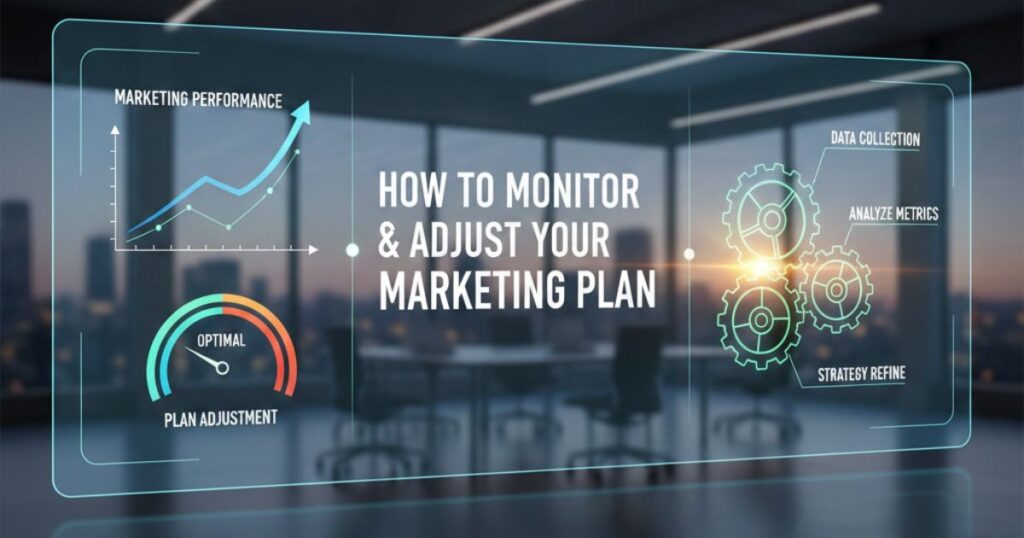
Creating your 12-month marketing plan is just the first step. To get real results, you need to track performance, see what’s working, and adjust your strategy along the way.
Set Up Key Metrics
Decide which metrics matter most for your business. This could include website traffic, social media engagement, email open rates, lead generation, or sales conversions. Tracking the right numbers helps you understand which campaigns are driving growth and which need improvement.
Monthly and Quarterly Reviews
Review your marketing activities every month and at the end of each quarter. Ask yourself: Did this campaign meet its goal? Which content performed best? Were there missed opportunities? Regular check-ins let you make small adjustments before problems grow.
Optimize Campaigns
If something isn’t working, don’t panic. Look at the data and identify why results are low. Maybe the timing was off, the message didn’t resonate, or the channel wasn’t ideal. Use these insights to tweak your campaigns for better results. For example, a social media post that underperforms could be reworded, retargeted, or shared on a different platform.
Stay Flexible
Markets and audience behavior change, and unexpected opportunities can arise. Keep your plan flexible enough to adjust campaigns or try new tactics without losing momentum. A flexible marketing plan ensures you can respond quickly to trends, holidays, or industry shifts.
Celebrate Successes
Monitoring your plan isn’t just about spotting problems. Recognize and celebrate what works. Highlight high-performing campaigns, content that drives engagement, or leads generated from email marketing. Celebrating wins keeps your team motivated and reinforces strategies that produce results.
Elevate Your Online Presence with Bosthelp
Bosthelp is a digital marketing and SEO agency that provides services aimed at helping small businesses grow online. They offer website design and development, SEO optimization, content marketing, backlink building, and customized marketing strategies with ongoing support. While their website looks professional and highlights services like improving Google rankings, creating niche-specific content, and technical SEO fixes, there is limited independent verification of their claims. Potential clients should carefully review past performance, case studies, or client references before engaging, as measurable results in SEO and digital marketing are never guaranteed.
Common Mistakes to Avoid in a 12-Month Marketing Plan
Even with the best intentions, small businesses can make mistakes that reduce the effectiveness of a 12-month marketing plan. Knowing these pitfalls in advance can save time, money, and frustration.
Overcomplicating the Plan
A common mistake is trying to do too much at once. While it’s tempting to create dozens of campaigns and content pieces, focusing on a few key objectives usually brings better results. Keep your plan simple, actionable, and realistic.
Ignoring Seasonal Trends or Key Dates
Failing to plan around important events, holidays, or industry-specific dates can lead to missed opportunities. Integrate seasonal campaigns into your 12-month calendar to engage your audience when they’re most receptive.
Failing to Track Results
Not monitoring performance is like driving blind. Without tracking key metrics like engagement, leads, or conversions, you won’t know what’s working or what needs improvement.
Inconsistent Messaging Across Channels
Sending mixed messages across social media, email, and website content can confuse your audience. Make sure your branding, voice, and offers are consistent across all channels to build trust and recognition.
Ignoring Audience Feedback
Your customers are the best source of insight. Not listening to their preferences, questions, or complaints can prevent your marketing from resonating. Use surveys, comments, and engagement metrics to adjust your strategy accordingly.
Tips for Avoiding These Mistakes
- Stick to 3–5 main goals for the year.
- Plan ahead for seasonal campaigns and promotions.
- Use Bosthelp to organize, track, and schedule all marketing activities.
- Keep your messaging clear, simple, and consistent across channels.
- Regularly review customer feedback and adapt your campaigns.
By avoiding these common mistakes, your small business can make the most of its 12-month marketing plan. Staying organized, consistent, and attentive to your audience ensures that your marketing efforts lead to real results, better engagement, and steady growth.
Bonus Tips for Small Business Owners
Creating a 12-month marketing plan can feel like a big task, but a few extra tips can make the process smoother and more effective. These strategies help you stay organized, save time, and get better results.
Keep It Simple and Actionable
Don’t overcomplicate your plan with too many campaigns or channels. Focus on a few key goals and create steps that are easy to follow. Simple, actionable plans are easier to stick to and more likely to succeed.
Incorporate AI Tools
AI tools can save hours of work and help you create smarter campaigns. Platforms like Bosthelp allow you to schedule content, track performance, and even suggest ideas for posts or campaigns. Using AI doesn’t replace creativity—it helps you stay organized and efficient.
Focus on Your Audience
Always think about what your audience needs and wants. Create content that solves their problems, answers questions, or entertains them. When you focus on providing value, your audience is more likely to engage and trust your brand.
Use Templates and Checklists
Templates for content calendars, email campaigns, or social media posts make planning faster. Checklists ensure you don’t forget important steps, like scheduling posts or tracking results. These small tools can make a huge difference in keeping your marketing consistent.
Test and Learn
Not every campaign will be perfect the first time. Track what works and what doesn’t, and use that data to improve future efforts. Testing small changes in messaging, timing, or platforms can help you discover what resonates best with your audience.
Collaborate and Delegate
Even small teams can benefit from sharing responsibilities. Assign tasks for content creation, social media posting, and monitoring results. Collaboration keeps your marketing plan running smoothly without overwhelming any one person.
Plan for Growth
As your business grows, your marketing plan should evolve too. Review your 12-month plan regularly and adjust goals, channels, or budget to match your growth and changing audience needs.
Conclusion
A 12-Month Marketing Plan is your ultimate roadmap to business growth and consistent brand success. By planning campaigns, content, and strategies in advance, you stay ahead of trends, optimize resources, and achieve measurable results. With a clear year-long marketing plan, your business can boost visibility, engagement, and ROI while maintaining focus and flexibility throughout the year.
FAQs
A 12-Month Marketing Plan is a strategic roadmap outlining marketing campaigns, goals, and tactics for an entire year.
It provides direction, ensures consistent messaging, helps allocate resources effectively, and tracks progress toward business objectives.
Key components include target audience, marketing goals, content calendar, campaign strategies, budget, KPIs, and performance metrics.
Start by analyzing past performance, define objectives, plan monthly campaigns, assign responsibilities, and schedule reviews for adjustments.
Yes, a structured plan helps prioritize high-impact strategies, allocate budget efficiently, and measure results to maximize return on investment.